

“إنفستجيت” تصدر توصياتها بشأن “مرحلة ما بعد البيع: إدارة المشروعات والمجتمعات والمدن
بمشاركة الخبراء ورواد القطاع العقاري
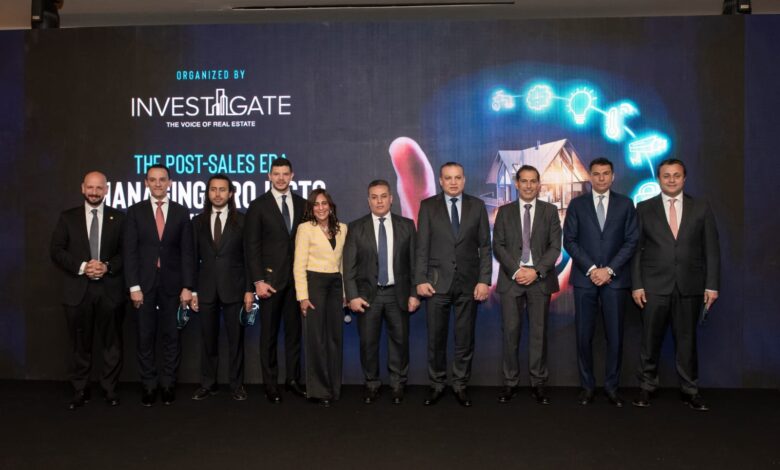
أطلقت «إنفستجيت» مائدتها المستديرة السابعة والعشرين، يوم الإثنين الموافق 16 فبراير 2026، بعنوان “مرحلة ما بعد البيع: إدارة المشروعات والمجتمعات والمدن”، حيث أُقيمت المائدة المستديرة بفندق النيل ريتز كارلتون – قاعة «ألف ليلة وليلة».
وخلال الحدث استعرض الحضور كيفية إدارة المشروعات والمجتمعات وتطوير المدن كنظم تشغيل متكاملة، مع التركيز على تحسين نسب الإشغال، والارتقاء بمستوى الخدمة، والكفاءة التشغيلية، وتحقيق إيرادات متكررة. بجانب مناقشة السبل الممكنة لتحقيق استقرار التدفقات النقدية، وتعزيز مكانة السوق، بما يضمن أداءً مستدامًا للأصول على المدى الطويل.
وأدار جلسات الحوار الأستاذ/ عمرو القاضي، المؤسس والعضو المنتدب لشركة «AKD الإستشارية»، فيما شهدت المائدة المستديرة حضور نخبة من كبار المسؤولين والتنفيذيين الحكوميين والخبراء في القطاع العقاري وعلى رأسهم: الدكتور/ عبد الخالق إبراهيم، عضو مجلس النواب، الدكتور/ مصطفى منير، رئيس الجهاز التنفيذي للهيئة العامة للتنمية السياحية، المهندس/ خالد صديق، رئيس مجلس إدارة «صندوق التنمية الحضرية»، الدكتورة/ مي عبد الحميد، الرئيس التنفيذي لصندوق الإسكان الاجتماعي ودعم التمويل العقاري، الأستاذ/ محمد سليم، مدير عام البحوث وتطوير الأعمال بالبورصة المصرية.
هذا إلى جانب مشاركة متميزة ضمّت، المهندس/ أيمن عامر، المدير العام لمجموعة «سوديك»، الأستاذ/ إبراهيم المسيري، الرئيس التنفيذي لمجموعة«Somabay» ، المهندس/ حازم هلال، الرئيس التنفيذي لشركة أوراسكوم العقارية، بالإضافة إلى المهندس/ بدير رزق، الرئيس التنفيذي لشركة«باراجون | أدير»، والمهندس/ أحمد منصور، الرئيس التنفيذي لشركة «Cred Developments»، المهندس/ مهند صالح، المدير التنفيذي لشركة «هورايزن للإدارة والتشغيل ش.م.م»، المهندس/ محمد عزمي عطية، رئيس قطاع المدن الذكية لشركة «أورنج مصر»، والأستاذ/ عمر الطيبي، الرئيس التنفيذي لشركة «TLD – The Land Developers» وكذا شارك في المائدة الأستاذ/ أحمد كيره، العضو المنتدب لمجموعة «حروف للمشروعات السياحية»، الأستاذ/ طارق مراد، المدير العام لفندق «ماريوت القاهرة»، الدكتور/ مينا فايق فؤاد، الرئيس التنفيذي لشركة «Egypro FME»، الأستاذ/ محمد جلال، الرئيس التنفيذي لشركة«TSM Asset Management » ، والمهندس/ أحمد أهاب، الرئيس التنفيذي لشركة مدار للتطوير العقاري
واخُتتمت المائدة بتقديم مجموعة من التوصيات، مقسمة على عدد من المحاور:

أولًا: تأسيس إطار تنظيمي حاكم لمرحلة ما بعد البيع
إنشاء جهة تنظيمية مستقلة للسوق العقاري تتولى وضع معايير واضحة للتشغيل، والتصنيف المهني لشركات الإدارة، والرقابة على الأداء المالي والتشغيلي، بما يضمن حماية المستثمرين والسكان وتحقيق استدامة المشروعات.
إطلاق مؤشر رسمي لأسعار العقارات (House Price Index) ووضع مستويات أسعار مرجعية لكل منطقة، بما يعزز الشفافية، ويدعم قرارات الاستثمار والتقييم والتمويل.
مراجعة وتحديث الأطر التشريعية والضريبية المنظمة لأنشطة التأجير والملكية الجزئية، بما يسهم في تحفيز الإشغال القانوني، وتعظيم العوائد المتكررة، والحد من التهرب الضريبي والتشغيل غير المنظم.
ثانيًا: التحول إلى نموذج التطوير والتشغيل طويل الأجل
الانتقال من نموذج البيع السريع إلى نموذج التطوير المستدام، بحيث يُنظر إلى المشروع كأصل يولد دخلًا متكررًا وليس مجرد منتج يتم بيعه، مع ربط النجاح باستقرار التدفقات النقدية بعد التسليم.
إشراك المشغل منذ مرحلة التصميم لضمان توافق التخطيط الهندسي مع متطلبات الإدارة الفعلية، وتجنب الفجوة الشائعة بين المصمم والمشغل والتي تؤثر سلبًا على كفاءة التشغيل لاحقًا.
تعيين مدير للأصول من اليوم الأول (Asset Manager): ضرورة وجود مدير للأصول منذ بداية المشروع لضمان جاهزية التشغيل بعد التسليم، ومتابعة الأداء التشغيلي والإشغالات.
وضع مؤشرات أداء (KPIs) واتفاقيات مستوى خدمة (SLAs) محددة لضمان المساءلة والشفافية.
الاحتفاظ بنسبة تتراوح بين 10–20% من المشروع كمكون تأجيري أو فندقي أو تجاري، بما يعزز القيمة السوقية للمشروع، ويخلق مصدر دخل مستدام يسهم في تغطية تكاليف التشغيل على المدى الطويل، وذلك على غرار التجربة الفرنسية التى تؤكد أهمية الحفاظ على إيرادات إيجارية متكررة داخل المشروعات.
ثالثًا: تعزيز الاستدامة المالية وتعظيم الإيرادات المتكررة
تنويع مصادر الدخل داخل المشروع عبر الإيجارات، والخدمات التشغيلية، والمكونات الفندقية، والإعلانات، وإعادة التدوير، بدلاً من الاعتماد الكامل على حصيلة المبيعات، والودائع.
إدارة احترافية لودائع الصيانة عبر استثمارها بشكل منظم وتوجيه عوائدها لدعم الصيانة الدورية، مع تطوير مصادر دخل بديلة تقلل الضغط على السكان.
ربط جاهزية منظومة الإدارة والتشغيل باستراتيجيات التخارج والاستثمار المؤسسي، في ظل تحول جودة التشغيل إلى عامل حاسم في جذب الصناديق الاستثمارية والمستثمرين الدوليين.
إصدار سندات تمويل للمشروعات العقارية وفق أطر تنظيمية واضحة، لدعم التشغيل طويل الأجل وتعزيز الاستدامة المالية للمطورين.
التركيز على الاستثمار المستدام والشراكات طويلة الأجل: اختيار الشركاء الاستراتيجيين بعناية وضمان الالتزام بمعايير الاستدامة والتشغيل طويل الأجل يرفع قيمة المشروع ويضمن استقرار العائدات.
رابعًا: دمج التكنولوجيا والتحول الرقمي في منظومة التشغيل
دمج البنية التحتية الذكية منذ مرحلة التصميم لضمان جاهزية المدن للتحول إلى مدن ذكية، بما يشمل أنظمة المراقبة، والتحكم المركزي، والصيانة الاستباقية.
استخدام الذكاء الاصطناعي وتحليلات البيانات في التنبؤ بالأعطال، وتحسين نسب الإشغال، وتسعير الخدمات، ودعم اتخاذ القرار التشغيلي.
إنشاء منصات رقمية مركزية لإدارة المدن، تتيح متابعة العمليات، وتحسين تجربة العملاء، وتعزيز الشفافية في المصروفات والخدمات.
خامسًا: الاستثمار في الكوادر وبناء ثقافة تشغيل احترافية
إنشاء مدارس ومعاهد تعليمية ومهنية متخصصة في إدارة الأصول وتشغيل العقارات لسد فجوة الكفاءات في السوق، خاصة مع التوسع الكبير في عدد المشروعات.
رفع كفاءة العنصر البشري تقنيًا وإداريًا لمواكبة الاعتماد المتزايد على التكنولوجيا والذكاء الاصطناعي في إدارة المدن والمجتمعات.
ترسيخ ثقافة أن التشغيل جزء أساسي من هوية المطور وليس مرحلة لاحقة منفصلة، بما يعزز السمعة السوقية طويلة الأجل.
سادسًا: دعم المكون الفندقي وتصدير العقار
تعزيز الاستثمار في المكون الفندقي والوحدات ذات العلامات التجارية (Branded Residences) باعتباره مصدرًا رئيسيًا للعوائد بالعملة الأجنبية.
تحفيز تصدير العقار للأجانب عبر حوافز تنظيمية وضريبية، بما يرفع الطلب الخارجي ويدعم استقرار السوق.
الحرص على تسليم الوحدات بعد التشطيب الكامل لضمان جودة التشغيل، والحفاظ على الصورة الذهنية للمشروع وقيمته السوقية.
سابعًا: تشغيل المدن كنظم متكاملة تعزز جودة الحياة
ربط جودة الحياة اليومية بمؤشرات أداء تشغيلية واضحة تشمل النظافة، الصيانة، سرعة الاستجابة، واستمرارية الخدمات.
التخطيط المتكامل للمدن متعددة الاستخدامات كنظم تشغيل مترابطة، توازن بين السكن، والعمل، والخدمات، والترفيه، بما يضمن استدامة القيمة على المدى الطويل.
جاءت هذه المائدة المستديرة برعاية رسمية من شركة مدينة مصر، فيما ضمّت قائمة الرعاة البلاتينيين كلاً منSomabay ، شركة باراجون | أدير، وشركة Cred Developments. أما الرعاة الذهبيون فشملوا شركة أورانج مصر وشركة TLD- The Land Developers وشركة Egypro FME، في حين ضمت قائمة الرعاة الفضيين شركة TSM Asset Management وشركة Nayah Boutique Stays.
……………..
Invest-Gate Issues Key Recommendations on “The Post-Sales Era: Managing Projects, Communities & Cities” with Participation of Industry Leaders
Invest-Gate held its 27th roundtable, titled “The Post-Sales Era: Managing Projects, Communities & Cities,” on Monday, February 16, 2026, at the Nile Ritz-Carlton – Alf Leila We Leila Ballroom.
The roundtable brought together senior government officials, real estate developers, operators, advisory and asset management firms, property and facility management companies, investors, financiers, public-sector stakeholders, and technology enablers to examine how projects, communities, and cities can be effectively managed beyond delivery.
The session was moderated by Mr. Amr Elkady, Founder & Managing Director of AKD Advisory, and featured distinguished participants, including: Dr. Eng. Abdelkhalek Ibrahim, Member of the House of Representatives; Dr. Mostafa Mounir, CEO of the Tourism Development Authority; Eng. Khaled Sedeik, Chairman of the Urban Development Fund; Dr. May Abdel Hamid, CEO of the Social Housing and Mortgage Finance Fund; and Mr. Mohamed Selim, General Manager of Research and Business Development at the Egyptian Exchange.
Additional participants included: Eng. Ayman Amer, Group General Manager of SODIC; Mr. Ibrahim El Missiri, Group CEO of Somabay; Eng. Hazem Helal, CEO of Orascom Real Estate; Eng. Bedeir Rizk, CEO of PARAGON | Adeer; Eng. Ahmed Mansour, CEO of Cred Developments; Eng. Muhannad Saleh, Executive General Manager of Horizon Operation and Management S.A.E; Eng. Mohammed Azmy Ateia, Director of Smart Cities at Orange Egypt; Mr. Omar El Tayebi, CEO of TLD – The Land Developers; Mr. Ahmed Kira, Managing Director of Horof Group for Touristic Projects; Mr. Tarek Mourad, General Manager of Cairo Marriott Hotel; Dr. Mina Fayek Fouad, CEO of Egypro FME; Mr. Mohamed Galal, Chairman of TSM Asset Management; and Eng. Ahmed Ehab, CEO of Madaar Developments.
Key Recommendations
First: Establishing a Robust Regulatory Framework for the Post-Sales Phase
– Establishing an independent real estate regulatory authority responsible for setting clear operational standards, introducing professional classification systems for property management companies, and overseeing financial and operational performance to ensure investor and resident protection while supporting long-term project sustainability.
– Launching an official House Price Index (HPI) and defining benchmark price ranges by region to enhance market transparency and support informed investment, valuation, and financing decisions.
– Reviewing legislative and tax frameworks related to leasing and fractional ownership to encourage formal occupancy, increase recurring revenues, and reduce informal operations.
Second: Transitioning Toward a Long-Term Development and Operational Model
– Shifting from a rapid-sales model to a sustainable development approach, whereby projects are viewed as income-generating assets rather than one-time sale products, with success measured by post-handover cash flow stability.
– Involving operators at the design stage to align architectural planning with operational requirements and enhance efficiency.
– Appointing an asset manager from day one to ensure operational readiness upon delivery and continuous monitoring of performance and occupancy levels.
– Establishing clearly defined Key Performance Indicators (KPIs) and Service Level Agreements (SLAs) to ensure accountability and transparency.
– Retaining 10–20% of the project as rental, hospitality, or commercial components to generate sustainable income streams, enhance long-term asset value, and support long-term operational funding, drawing on international practices such as the French development model, which emphasizes maintaining recurring rental income within projects.
Third: Enhancing Financial Sustainability and Maximizing Recurring Revenues
– Diversifying income streams through rentals, operational services, hospitality components, advertising, and recycling initiatives instead of relying solely on unit sales and deposits.
– Professionally managing maintenance deposits by investing them strategically and allocating returns toward ongoing maintenance while developing alternative revenue sources to reduce financial pressure on residents.
– Aligning operational readiness with exit strategies and institutional investment objectives, as operational excellence has become a decisive factor in attracting investment funds and international investors.
– Issuing real estate bonds to support long-term operations and strengthen developers’ financial sustainability.
– Prioritizing sustainable investment and long-term partnerships by selecting strategic partners committed to operational excellence and sustainability standards.
Fourth: Integrating Technology and Advancing Digital Transformation
– Embedding smart infrastructure at the design stage, including surveillance systems, centralized control platforms, and predictive maintenance capabilities.
– Leveraging artificial intelligence (AI) and data analytics to optimize occupancy rates, improve service pricing strategies, predict system failures, and enhance decision-making.
– Developing centralized digital platforms for city and community management to improve oversight, customer experience, and financial transparency.
Fifth: Investing in Human Capital and Building a Professional Operational Culture
– Establishing specialized academic and vocational programs focused on asset management and real estate operations to address the growing talent gap.
– Enhancing workforce capabilities to align with increasing technological integration in community and city management.
– Institutionalizing operations as a core component of the developer’s identity to strengthen long-term reputation and asset performance.
Sixth: Supporting Hospitality Components and Promoting Real Estate Export
– Expanding investment in hospitality components and branded residences as a key source of foreign currency revenue.
– Encouraging real estate export to foreign buyers through regulatory and tax incentives to increase external demand and support market stability.
– Ensuring fully finished unit delivery standards to preserve operational quality and long-term market value.
Seventh: Operating Cities as Integrated Systems
– Linking quality-of-life indicators to measurable operational performance metrics, including maintenance standards, response times, and service continuity.
– Adopting integrated planning approaches for mixed-use developments to ensure coordination between residential, commercial, service, and recreational components.
The roundtable was officially sponsored by Madinet Masr. Platinum Sponsors included Somabay, PARAGON | Adeer, and Cred Developments. Gold Sponsors were Orange Egypt, TLD – The Land Developers, and Egypro FME, while Silver Sponsors included TSM Asset Management and Nayah Boutique Stays.
Media Partners included Aleqaria, Al-Borsa Newspaper, Daily News Egypt, Al-Gedaan Real Estate, Osoul Misr Magazine, BloomGate, Property Plus, Aqargate, and Iskan Misr.